

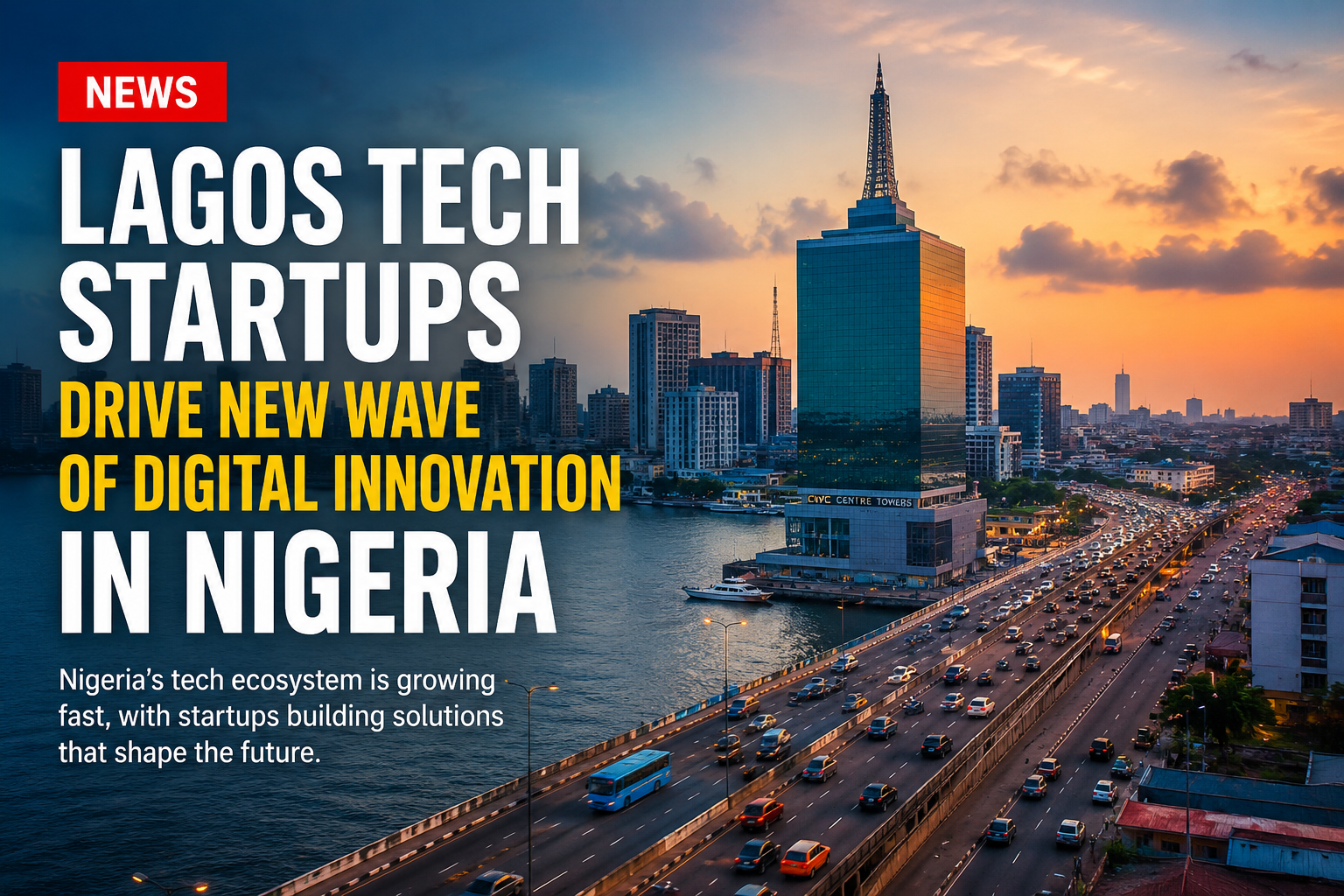
Nigeria’s technology sector continues to experience rapid growth as startups across Lagos expand their influence in fintech, e-commerce, logistics, and artificial intelligence. Industry analysts say the country is becoming one of Africa’s strongest digital economies, attracting investors and creating new opportunities for young entrepreneurs.
Over the past few years, several Nigerian startups have secured international funding, helping them scale operations and improve digital services for millions of users. Financial technology companies remain at the center of this growth, providing easier access to payments, loans, savings, and business transactions for individuals and small businesses.
Technology hubs in Lagos have also witnessed increased collaboration between software developers, engineers, and business owners. Experts believe this collaboration is contributing to job creation and positioning Nigeria as a leading innovation hub on the continent.
Speaking during a recent technology conference in Lagos, industry leaders emphasized the importance of improving internet infrastructure, cybersecurity, and digital literacy to sustain the momentum. They noted that while investment opportunities are increasing, challenges such as unstable power supply and rising operational costs still affect many startups.
Meanwhile, young Nigerians are increasingly turning to technology-related careers including software engineering, digital marketing, UI/UX design, and data analysis. Educational institutions and private organizations have also introduced training programs aimed at preparing more youths for opportunities in the digital economy.
Economic experts predict that Nigeria’s digital sector could contribute significantly to the nation’s GDP over the next decade if adequate policies and infrastructure are put in place. As global interest in African technology markets continues to grow, stakeholders remain optimistic about the future of innovation in Nigeria.
The Federal Government has also announced plans to support local innovation through policies designed to encourage investment and improve access to digital resources. Analysts believe consistent implementation of these initiatives could strengthen Nigeria’s position in the global technology ecosystem.
For many startup founders in Lagos, the focus remains on building scalable solutions capable of solving local problems while competing internationally. With increasing internet penetration and smartphone adoption, the future of Nigeria’s tech industry appears promising.